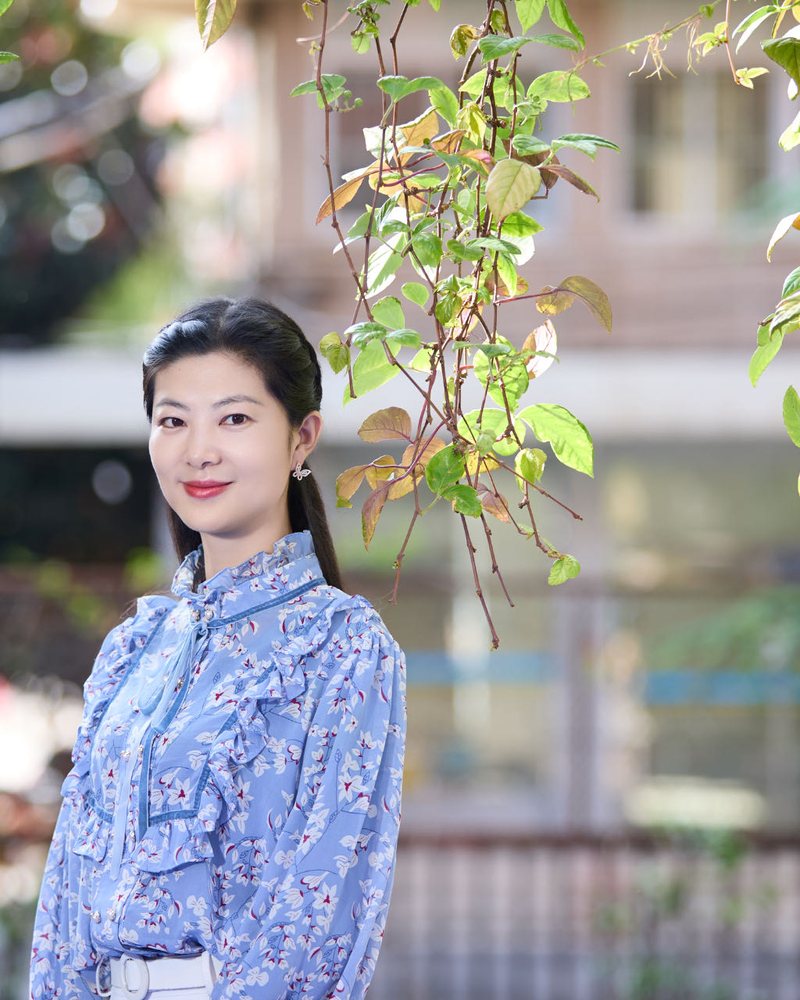
教育,是静待知识生根、思想慢慢生长。
深耕基础教育一线,日日与孩童、思维相伴。许多场景追逐标准答案,我更愿意驻足凝望思考发生的完整过程。知识从来不是拿来即用的成品,它拥有萌芽、延展、成型的完整旅程。我偏爱推开教育的「隔夜窗」,不急于索要即时的成果。给思考一点沉淀的时间,接纳探索里的迟疑与差错,等待思维经过时光浸润,自然生长。我希望褪去知识枯燥的外壳,让符号、逻辑,成为孩子感知世界、构建内心秩序的通道。
每个生命内在都藏着蓬勃的生长力量。教育不必急于修剪塑形,重在守护沃土,耐心守望。我渴望搭建充满生机的成长场域,带领孩子看见知识生长的脉络;以长久陪伴滋养思维,让孩童保有自主探寻的能力,在理性的旷野,点亮属于自己的思想星火。
Teaching is waiting for knowledge to take root and for thought to grow at its own pace.
I work in primary and secondary classrooms, where much of the day is spent chasing the correct answer. I would rather stand still and watch the whole course by which thinking happens. Knowledge is never a finished article handed over ready for use; it germinates, extends and takes shape. I prefer to leave the window open overnight rather than demand a result by morning — to let hesitation and error stay in the room, and let thought grow once time has soaked into it.
Every life carries its own force of growth. Education need not rush to prune it into shape; the work is to guard the soil and wait. What I want to build is a living field in which children can see the grain of how knowledge grows — and keep, in the open country of reason, the capacity to go looking on their own.
蔡彦的首批文章横跨四组母题——城市、认知、教育制度、教育在场——但它们追问的是同一件事:一个念头是怎么在被认真考虑之前,就已经被处理掉的。在城市里,它是成功沉淀出的审美判决,在异质的转型方案被算账之前就把它标记为「不体面」;在学习里,它是抢先就位的自我监控表格,在对象还来不及抓住学习者之前就把他安置成自己认知档案的管理员;在学校里,它是认证制度只能核对可见痕迹这一信息约束,把学习的核心动作替换成证据的制作;在师生之间,它是教育者心里那幅关于「这孩子应该长成什么样」的图像,在孩子开口之前就已经决定了什么算作一个好的回答。
这四组文章各自命名了一个此前没有名字的东西:共同承载与审美惯性、认知牵引与认知自缚、学习表演与评价性延缓区、守拙与图像的退场。它们的共同方法是:先撤销一个连批评者都还站在上面的先验,再让新的辨别面从矛盾里被逼出来,最后交出一组可以把自己判错的条件。
Cai Yan’s first set of essays spans cities, cognition, school certification and pedagogical presence, but they pursue one question: how a possibility is disposed of before it is ever seriously considered — by an inherited sense of what is fitting, by a self-monitoring form filled in ahead of the encounter, by a certification system that can only verify visible traces, or by the image a teacher already holds of who this child should become.