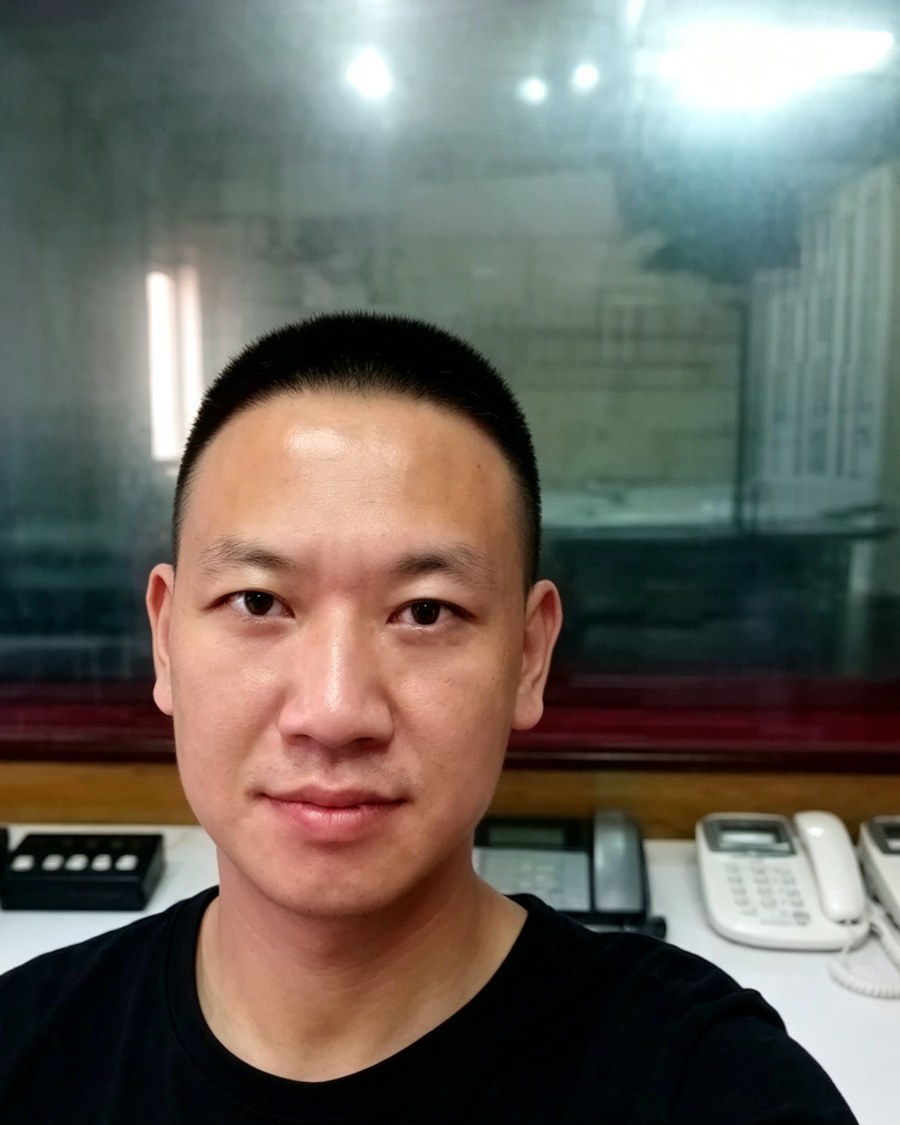
I have always believed in the power of iterating on oneself.
Born in the 1970s, I studied electronic engineering at evening college after starting work, and later took a law degree by self-study examination. It was only when my son was born, eleven years ago, that I met the hardest subject of all — education. Watching an eleven-year-old grow up inside the involution spiral, I have come to feel it plainly: a parent's own understanding is the ceiling above the child. How to do family education with some measure of certainty, in an age that offers none, is the problem I am now giving everything to.
These first three essays span a silent few seconds in a mathematics classroom, an adolescent gripping a phone, and an adaptive learning system that returns a verdict in milliseconds. They pursue one question: how a step that a person should have walked himself gets walked for him — by a teacher's fast pattern-completion, by a digital world that becomes the birthplace of an acting self, or by a verification signal that arrives before the labour is finished. Each essay names something previously unnamed, and each ends with the experiment that would prove its author wrong.
04关 于 预 备 学 员 · ON PREPARATORY STATUSON PREPARATORY STATUS
Ten manuscripts were submitted in August 2026; three were selected for publication after full blind review, and the reasons for both the selection and the omissions are published alongside the work.